
Turning Wastewater into a Resource: Why Treatment Can’t Wait
Wastewater is a growing environmental, health and economic concern – and it’s only getting bigger.
A study found that 380 billion cubic metres of wastewater is produced globally – five times Niagara Falls’ annual volume. By 2050, this volume may double, placing even greater pressure on water systems and ecosystems.
According to the United Nations’ 2020 World Water Development Report, achieving the 2030 Sustainable Development Goals (SDGs) depends heavily on improved water management. Yet over 80% of the world’s wastewater is released untreated into rivers, lakes and oceans, contributing to 485,000 premature deaths caused by waterborne diseases each year.
But wastewater isn’t just ‘waste’. When properly treated, it can be reused for crop irrigation, industrial processes and even drinking water, transforming it into a valuable resource.
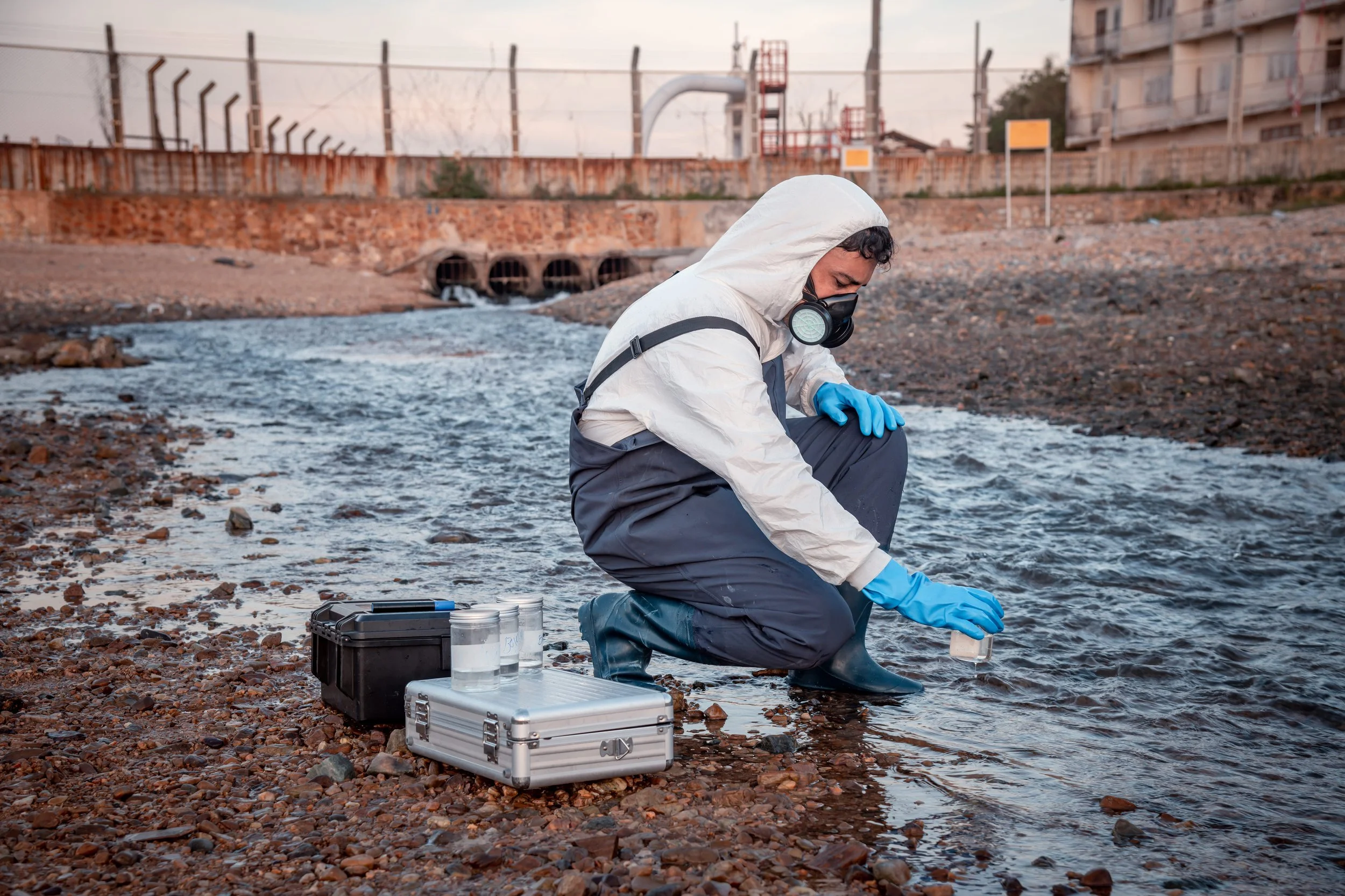
Released into the environment untreated, wastewater can lead to illness and deaths from waterborne diseases. With proper treatment, it can be transformed into a valuable resource.
Global wastewater challenges
Wastewater challenges vary across sectors and regions, but the consequences of poor treatment are universal: pollution, health risks and resource loss.
Industrial wastewater
Industrial processes, such as manufacturing, food production and chemical refining, generate wastewater that’s often toxic. It can contain heavy metals, acids, oils, grease, and chemicals like cyanide and ammonia.
Depending on the industry, additional contaminants may include hydrocarbon residues (organic compounds left behind after oil or gas processing) and chemical sludge. While some components are biodegradable, many are persistent and pose long-term environmental risks.
Mining wastewater
Mining and ore operations can produce acid mine drainage (AMD). This corrosive, low-pH wastewater has high concentrations of heavy metals like iron and manganese, contaminating nearby water sources and soils.
The challenge lies in treating this type of wastewater effectively, especially in the remote or resource-constrained environments where mining often takes place.
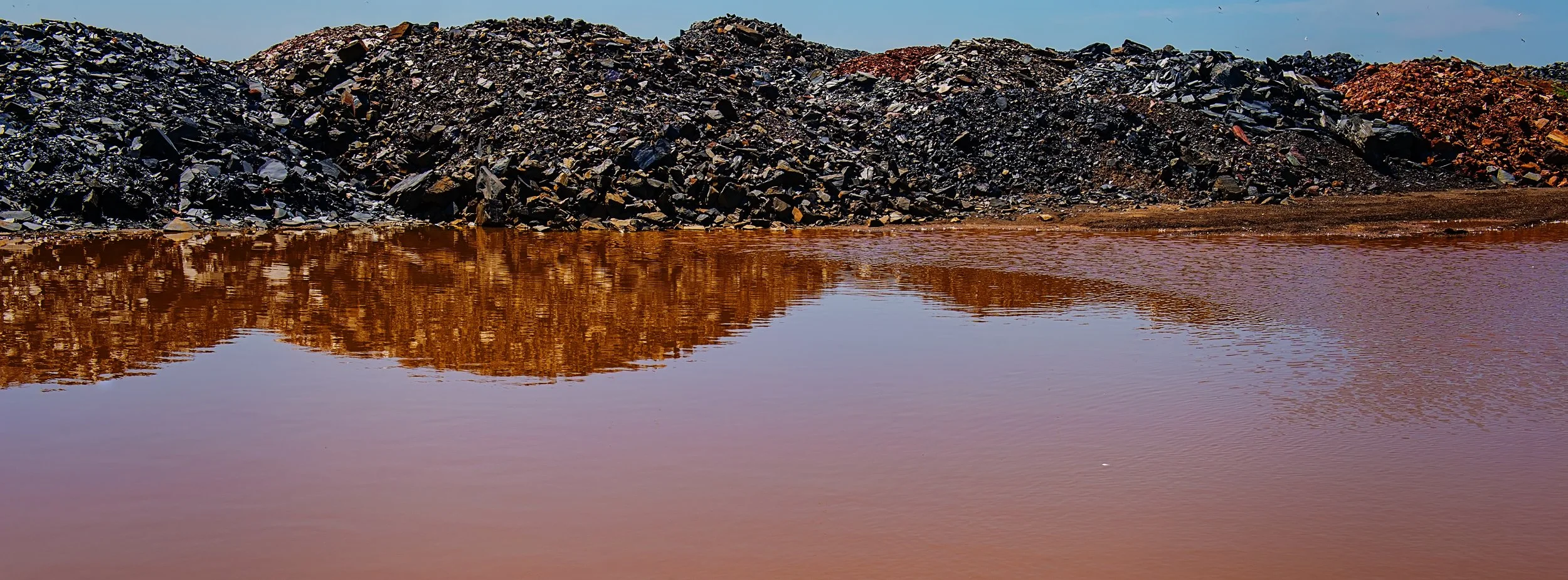
Irresponsibly handled mining wastewater can pollute drinking supplies, increase the likelihood of illnesses and contaminate food chains.
Agricultural wastewater
Agriculture generates wastewater through livestock manure, fertiliser runoff and irrigation return flows (the surface and groundwater that leaves the field after irrigation).
Agricultural wastewater often carries pesticides and pathogens, contributing to eutrophication (when too many nutrients enter the water, especially nitrogen and phosphorus, causing toxic algae blooms) and health hazards like E. coli contamination.
Municipal wastewater
Rapid urbanisation is causing a growing urban burden. In turn, this creates a greater volume of municipal wastewater, which includes domestic, commercial and industrial discharges.
Treatment plants must now also contend with pharmaceuticals, microplastics and ageing infrastructure, making effective treatment even more challenging.
Despite these challenges, innovative technologies and sustainable treatment options are helping turn the wastewater tide.
Wastewater solutions across sectors
According to the United Nations Environment Programme, properly treated wastewater has many uses, including for drinking water, power plant cooling, crop irrigation and industrial manufacturing, depending on treatment quality and regulatory standards.
Across sectors, new technologies and regulations are enabling water reuse and resource recovery.
Zero-liquid discharge
Zero-liquid discharge systems and hybrid treatment technologies are gaining traction in high-demand industries such as semiconductor manufacturing. These systems recover and recycle water by removing all liquids, leaving only solid waste that can be safely disposed of or repurposed.
Mining and microorganisms
In mining, researchers are exploring the use of microorganisms to isolate specific metals in wastewater, leaving behind a concentrated solution that can be further processed to recover the metal. This process reduces mining’s environmental impact and helps offset wastewater treatment costs.
EU Green Deal
EU water reuse rules (introduced in 2020 and applicable from 2023) set minimum requirements for reuse in agricultural irrigation. Policymakers estimate the EU has the capacity to increase reusefrom around 1.1 billion m³ to about 6.6 billion m³. Over half of this volume is allocated to agricultural and landscape irrigation, supporting drought resilience and circular water use.
Chelsea Water’s modular wastewater purification approach
The effective treatment of wastewater starts with accepting one inconvenient truth: the same label can hide wildly different realities. Industrial effluent from a food plant doesn’t behave like mine process water, and agricultural runoff doesn’t look like sewage. Chelsea Water’s approach is built around that variability, using packaged, modular systems that can be configured to match the wastewater source and the quality you need on the other side.
For decentralised sites, the practical challenge is often the same: you need treatment that can be deployed quickly, fits a smaller footprint and keeps running without constant hands-on attention. Chelsea Water’s systems are pre-designed and prefabricated (containerised or modular), making them easier to transport and install with limited civil works. If demand increases, capacity can be expanded by adding modules rather than rebuilding from scratch.
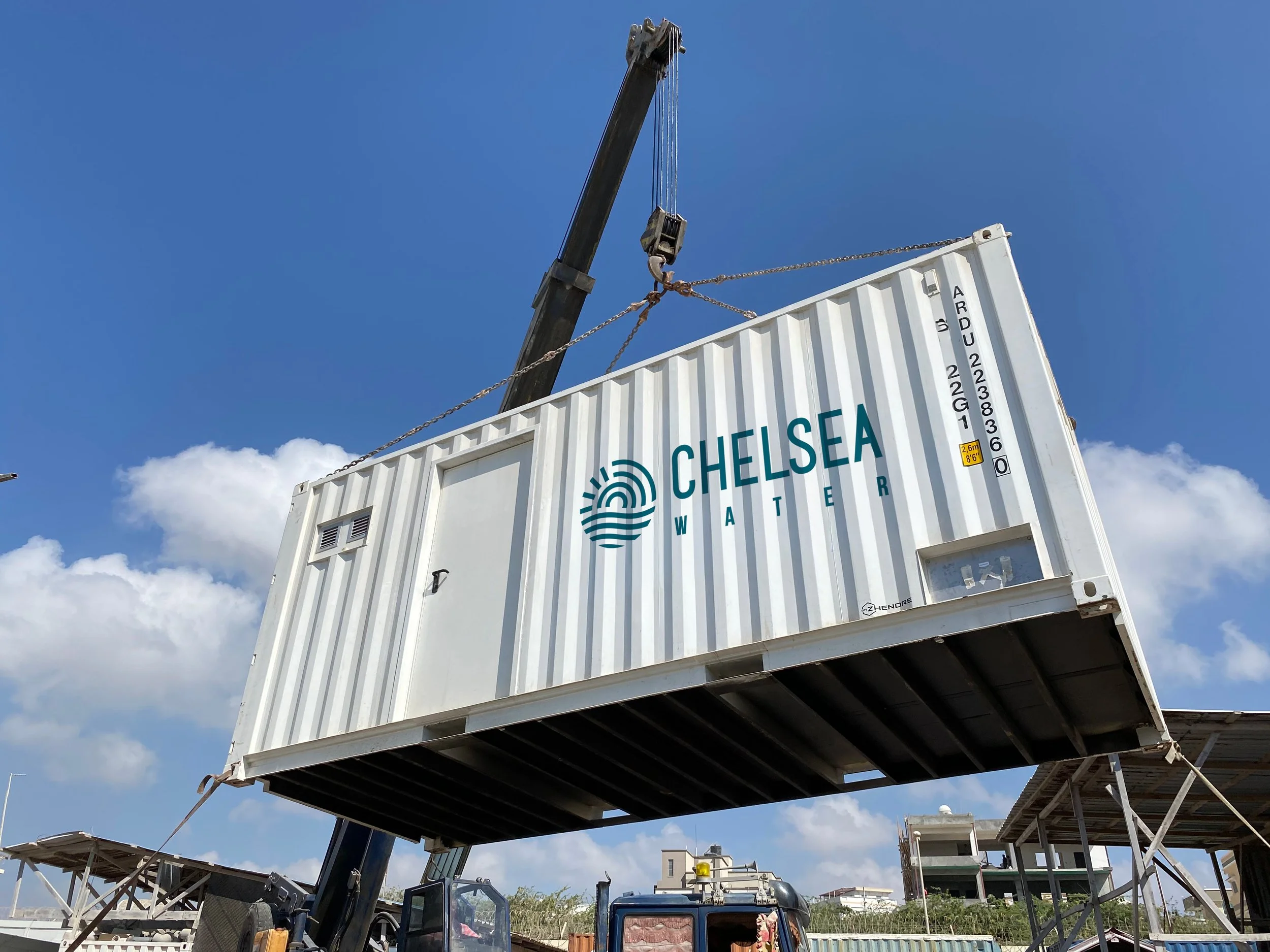
Modular water treatment solutions enable easy transportation, quick installation and flexible capacity expansion.
These systems combine proven treatment stages into a coherent process, selected to suit the contaminants involved. Depending on the application, that might mean removing solids first, separating oils and floatables, using targeted chemical treatment where required, and then polishing the water to a high effluent quality suitable for discharge or reuse.
Turn your wastewater into opportunity
Effective wastewater management safeguards operations, communities and the environment. With just four years to meet the SDG deadline, especially SDG 6, transforming wastewater from a global problem into a sustainable resource is more urgent than ever.
Chelsea Water provides reliable, customisable, and sustainable water treatment solutions for every environment. Contact us to explore our full range of systems.
