
How to Adapt to a Drier World and What this Means for Water Security
Iran’s capital, Tehran, is running out of water after a prolonged drought and record heat. Reservoirs have dropped to 8% capacity, and officials have even warned of possibly ‘moving the city’ if supplies don’t recover. However, Tehran’s crisis is not isolated.
By 2030, up to 700 million people may be forced to migrate due to droughts, and by 2050, more than 1.6 billion people will experience severe and extreme droughts.
A new global outlook report, by the Organisation for Economic Co-operation and Development (OECD), Trends, Impacts and Policies to Adapt to a Drier World, reveals why drought risk is accelerating and that urgent action is needed. It also shows how, with the right planning, societies can adapt.
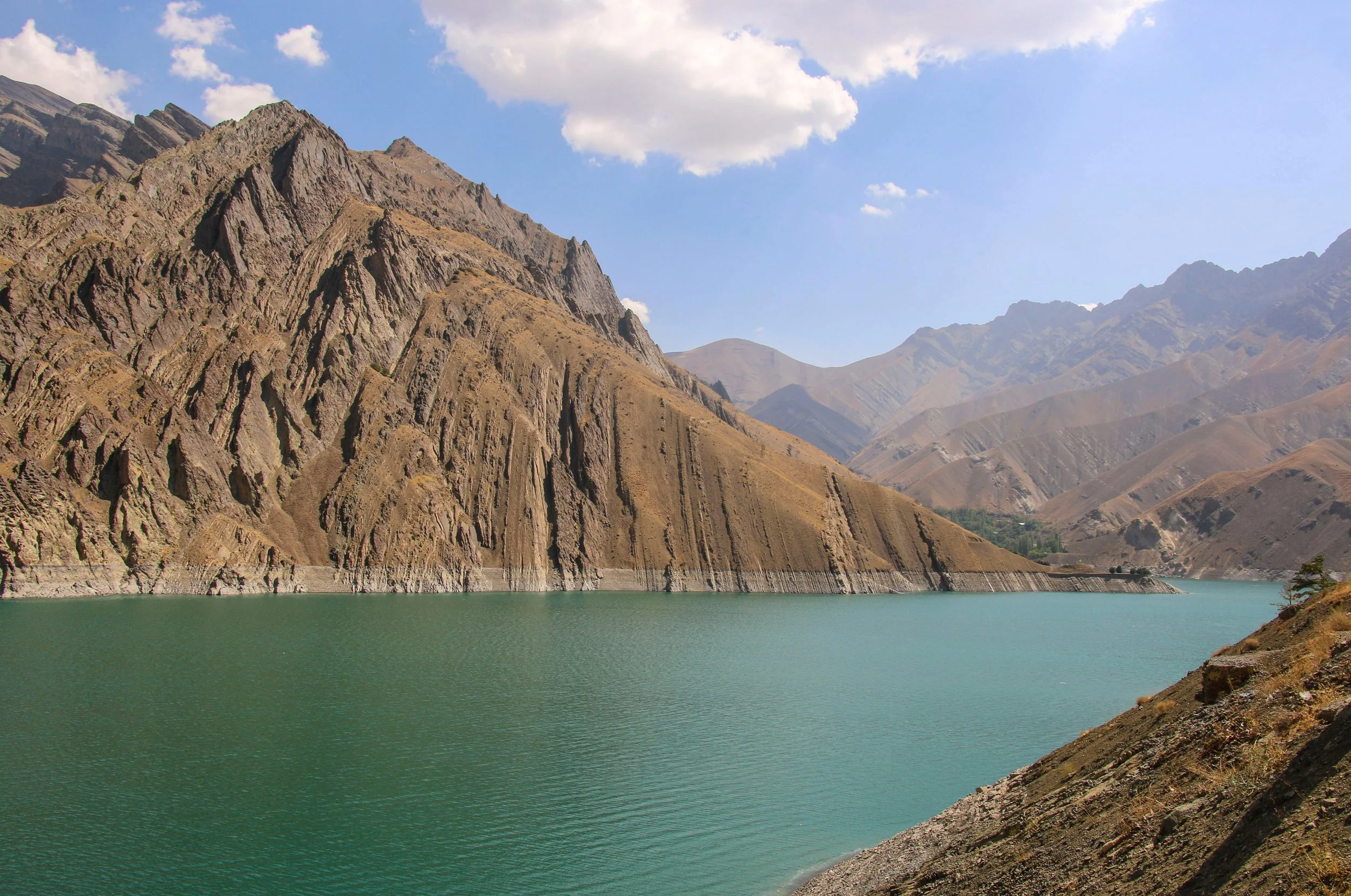
If reservoirs water levels don't rise in Tehran, officials have warned of the possibility of moving the city.
Why droughts are on the rise
Droughts often develop slowly, but their impacts are huge. And the latest OECD report highlights how climate change is the main driver.
According to the Intergovernmental Panel on Climate Change (IPCC), global warming could reach +1.8 °C to +4 °C by 2100, under low- and high-emission scenarios, respectively. These shifts will disrupt rainfall and supercharge evaporation, making droughts more frequent, prolonged, and severe.
Flash droughts – which are rapid-onset events that are difficult to predict – are also increasing due to climate change. The OECD projects their frequency could rise by 20% in Europe, Indonesia, and China, and up to 25% in Latin and North America by 2100.
The ripple effects on ecosystems and economies
Economic impact
An OECD Environmental working paper reveals the annual GDP growth of an agricultural region could decrease by 0.17 percentage points if rainfall temporarily drops by 100 mm. If that becomes permanent, GDP in 2050 could be 4% lower than expected. For developing countries that rely heavily on agriculture, this could be economically devasting.
The OECD outlook report analysis shows that:
California’s 2021 drought caused $1.1 billion in agricultural losses
Severe droughts can cut river trade volumes by up to 40%
Hydroelectric generation may drop by more than a quarter, forcing reliance on fossil fuels.
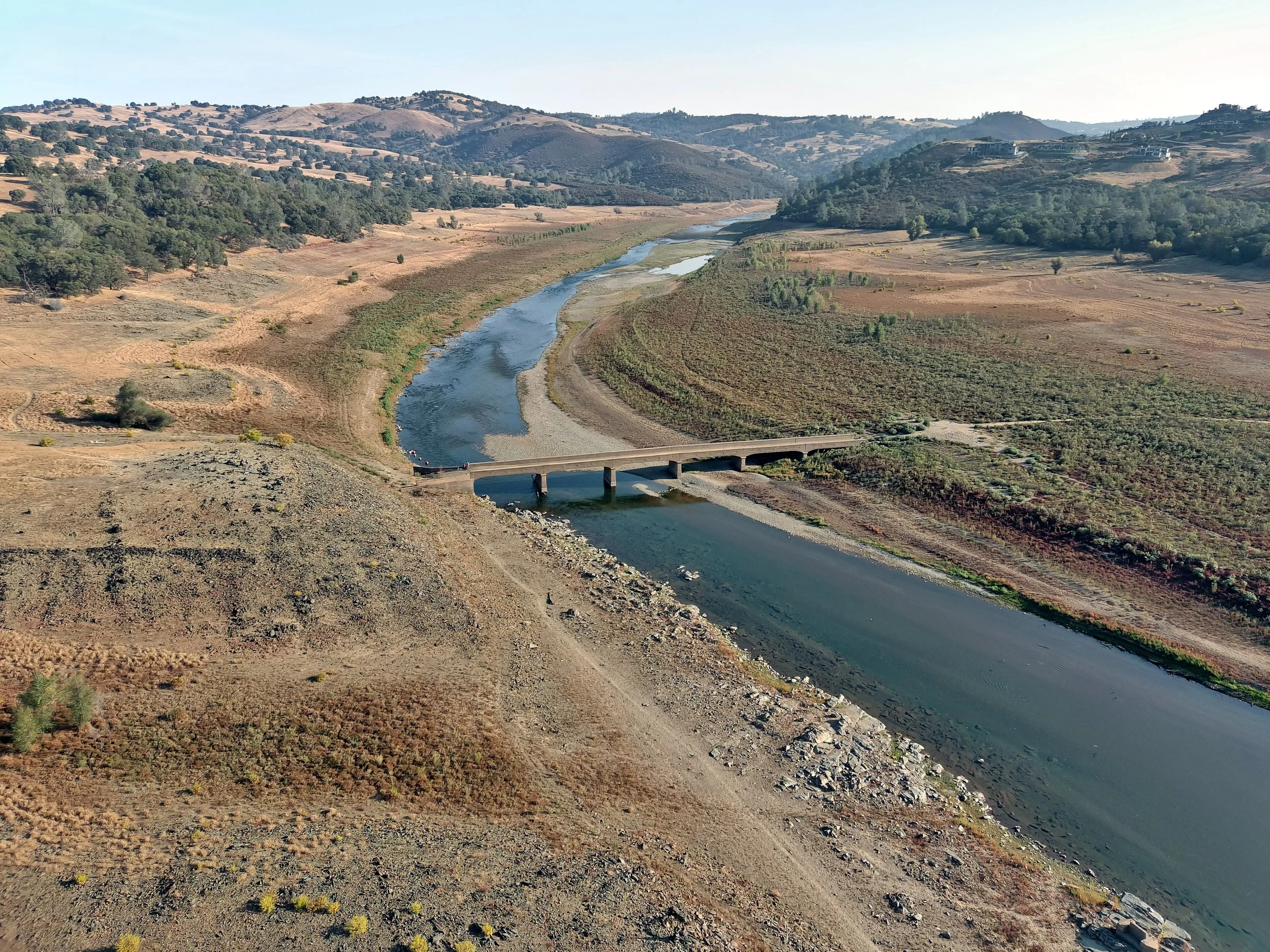
California’s 2021 drought was so severe that it revealed the so called ‘Hidden Bridge’ in Fulsom Lake, a structure that had not been seen since the 1950s.
Ecosystem impact
According to the OECD report, droughts disrupt critical natural systems. Since 1980, nearly 40% of the world’s land has lost significant soil moisture, while river flows and groundwater levels have declined. These changes speed up soil degradation, threaten biodiversity, and weaken ecosystems like forests and wetlands. In turn, these changes have a negative feedback-loop effect, further increasing drought risk.
Pathways to drought resilience
While droughts come at a cost – to regions, livelihoods, and lives – investing in drought resilience pays off. The United Nations Convention to Combat Desertification (UNCCD) estimates that proactive measures cost 10 times less to implement than costs associated with drought itself.
Adaptability lies in innovation
According to the latest OECD analysis, sustainable water management is central to building drought resilience, but this alone isn’t enough to tackle the complex challenges posed by droughts. Forward-thinking strategies are needed.
Examples of effective strategies include:
Catalonia (Spain) uses rainfall, reservoir, and aquifer level indicators to trigger drought alerts and responses, such as water restrictions and transfers.
Cape Town (South Africa), after its near ‘Day Zero’ in 2018, now integrates long-term demand projections, awareness campaigns, efficiency regulations, and supply diversification – making it a global leader in urban drought management.

When Cape Town, South Africa, neared its Day Zero in 2018, water-wise campaigns urged residents to ration water and collect it from natural springs.
Smarter irrigation
According to UNESCO, agriculture accounts for 70% of global freshwater withdrawals, with groundwater supplying about 25% for irrigation. Research shows that upgrading irrigation systems can reduce inefficient water use by up to 76% globally, and using sensors, drones, and smart metering further reduces wastage.
A capable partner in drought resilience
Chelsea Water supports drought resilience through mobile purification systems, modular containerised treatment plants, and community drinking water solutions.
These help municipalities, industries, and the humanitarian sector to diversify supply, ensure water quality, and manage demand, especially in remote, high-risk, and water-stressed environments.
Our approach complements proactive policies and innovative approaches, providing practical capacity where it’s needed most. With extensive experience across regions and sectors, we help clients build and implement strategies for a water-secure future.
The OECD’s 2025 outlook makes one thing clear: the world is entering a drier era. From Cape Town to Tehran, it’s clear how quickly drought conditions can deteriorate into dry taps. But with the right foresight and investment, societies can adapt – and thrive – in a water-scarce world.
